Receptors
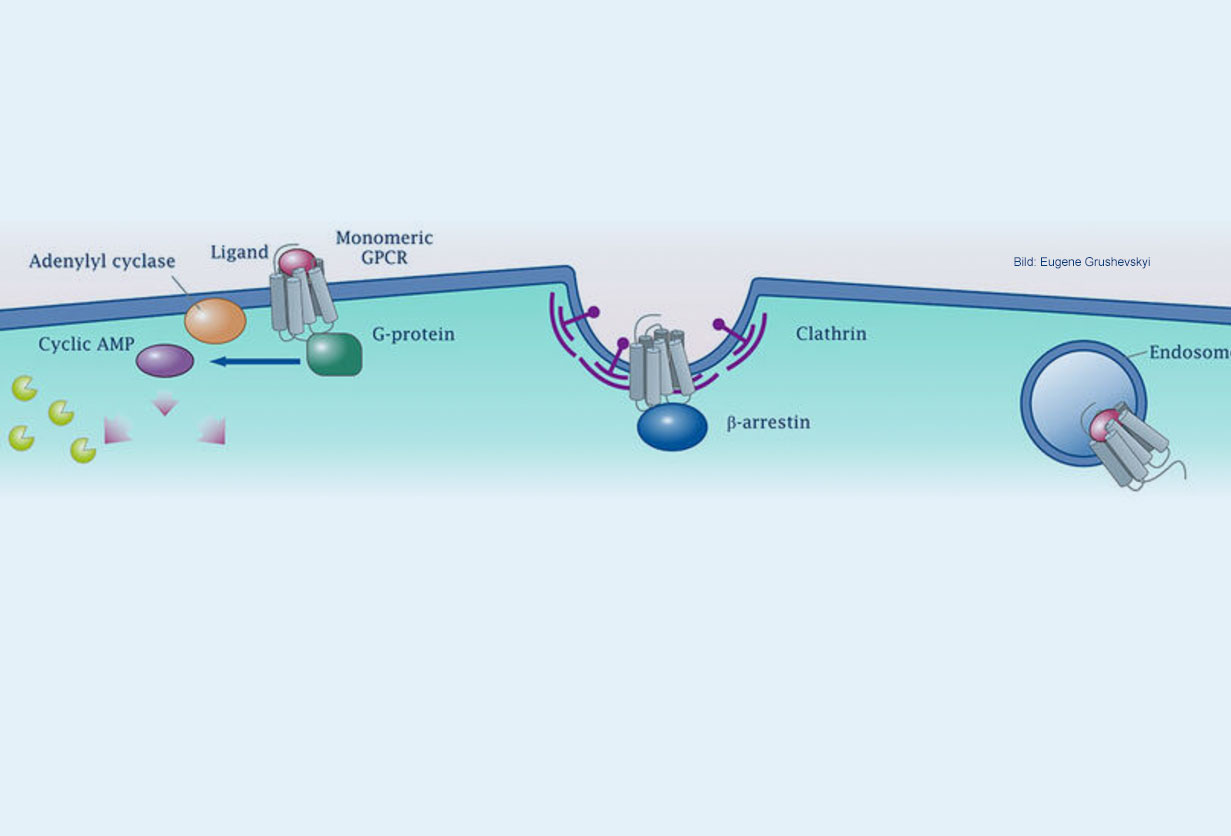
G-protein-coupled receptors (GPCRs) are a large family with about 800 members, including receptors for light, taste, and smell, as well as approximately 400 receptors for neurotransmitters and hormones. The latter are the most important group of drug targets, such as for beta-blockers, antihistamines, opioids, and the new diabetes and weight-loss medications. All GPCRs share common structural features and similar activation mechanisms. They transmit their signals to G proteins and β-arrestins, through which they regulate numerous body functions. n.
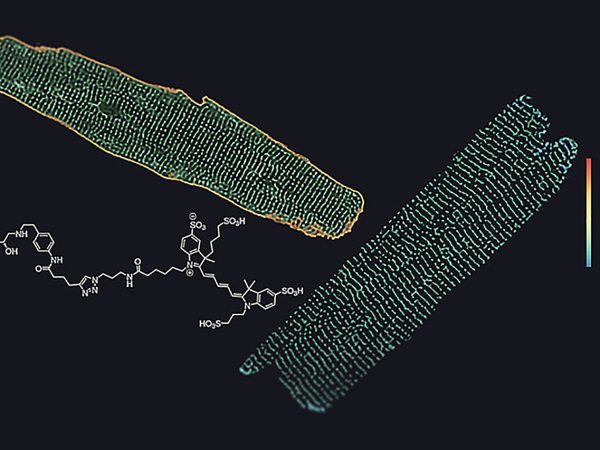
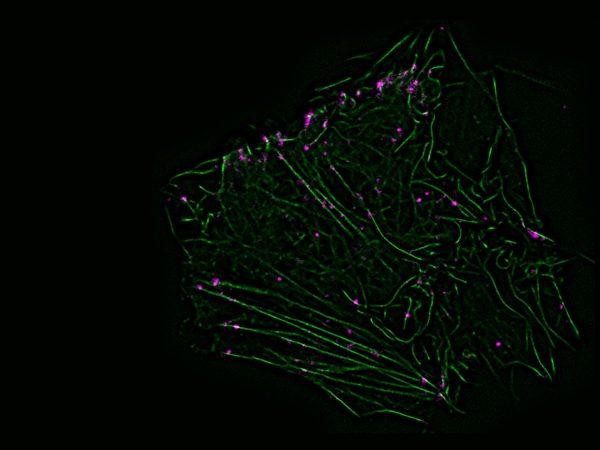
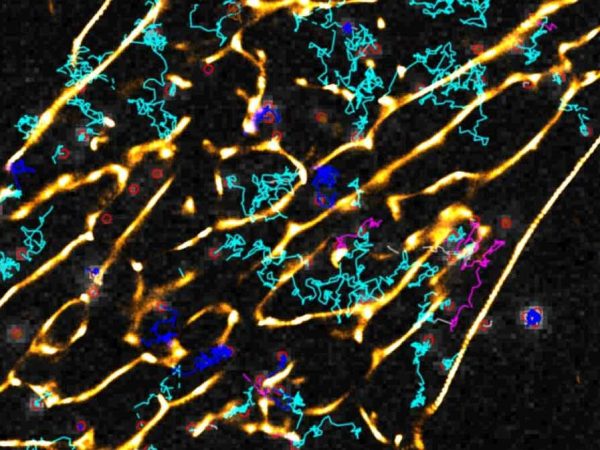
At ISAR Bioscience, we use biochemical, pharmacological, and microscopic techniques to investigate the mechanisms of their function and their potential for the development of innovative drug therapies. We are researching the role of GPCRs in diseases of the nervous, immune, and cardiovascular systems and search for novel drug candidates. In this endeavor, we collaborate closely with the former Receptor Signaling Research Group at the Max Delbrück Center in Berlin, the Rudolf Boehm Institute at the University of Leipzig, and the SFB 1423 “Structural Dynamics of GPCR Activation and Signaling” based in Leipzig.
ISAR Bioscience is coordinating a European research consortium to develop a groundbreaking technology for characterizing drug candidates that act on GPCRs. The “UniSens” Pathfinder project, funded by the European Innovation Council, is developing a novel assay designed to directly measure GPCR activation and distinguish between different types of activation. Our partners from universities and startups are based in France, the Netherlands, Spain, the Czech Republic, and Switzerland.