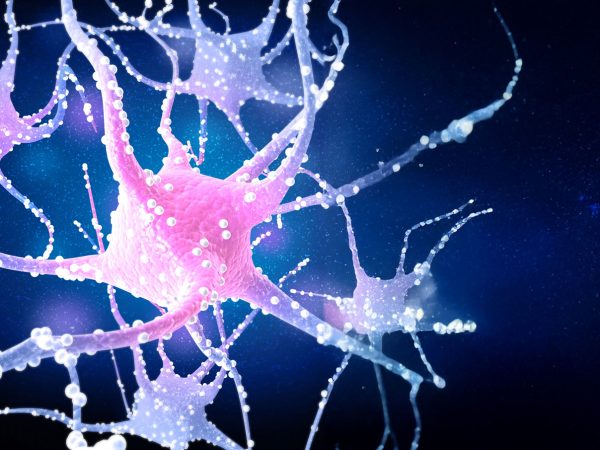
Cell Culture Models for Alzheimer’s Disease
Alzheimer’s dementia occurs essentially exclusively in humans. The reasons for this are not yet fully understood. Even specialized animal models only partially resemble the disease in humans. That is why we are developing world-wide unique 2D and 3D models of Alzheimer’s disease. We aim to create models that can be used broadly for the development of new drugs. And we use these models to test the efficacy of therapeutic antibodies developed in our laboratories.
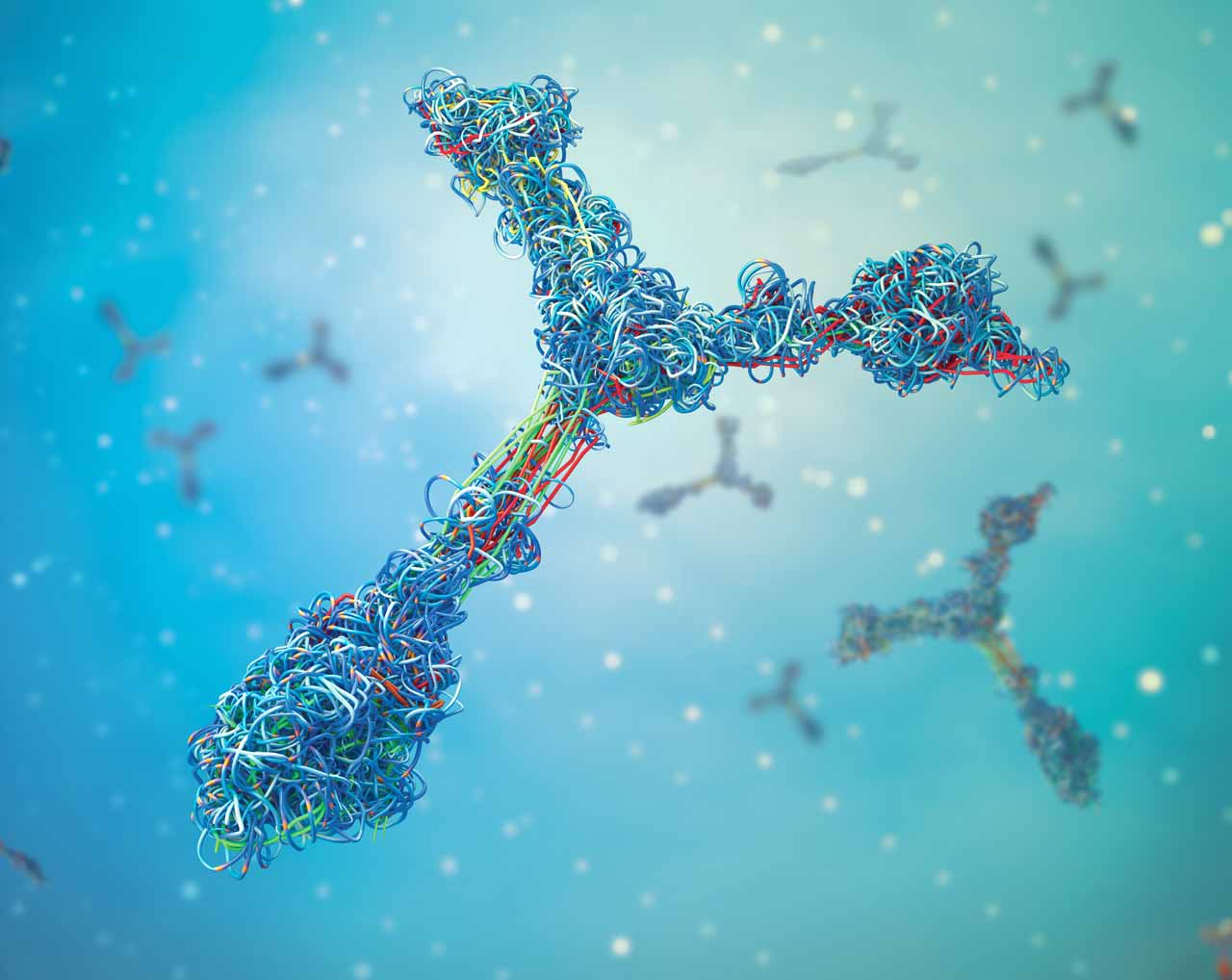
→ Development Project: Antibodies Against Alzheimer’s Disease
ISAR Bioscience is working closely with Professor Dominik Paquet from the Institute for Stroke and Dementia Research at Munich’s Großhadern Hospital to create such models for Alzheimer’s research. Our “Alzheimer 3D” project is funded by the Federal Ministry of Education and Research through the KMU-innovativ program. In the laboratory, we transform iPS cells into various types of human brain cells and allow them to grow together. This approach is intended to enable us to reproduce the characteristic features of Alzheimer’s disease and test potential drugs in vitro.
Therapeutic antibodies against Alzheimer’s disease can only be effective if they reach the brain in sufficient quantities. That is why we are studying the blood-brain barrier to find ways for proteins to cross it. We are collaborating with different partners in this research project.
Details
Patents
Christlmeier MA, Kraller M, Simmnacher K, Holthoff HP, Ungerer M (2024) Human anti-TREM2 antibody for treating neurodegenerative disorders. Patentanmeldung WO 2024-160736 A1
Christlmeier MA, Jabali A, Kraller M, Kroeger J, Garhammer M, Ungerer M (2026) Microglia cell-activating human anti-TREM2 antibody. Patentanmeldung EP26154526.2